The Basics of Estrogen Detoxification: 4 Ways to Support Your Body

Estrogen plays a critical role in many aspects of health—from energy levels to mood and reproductive function. But when estrogen isn’t properly metabolized or cleared, it can contribute to symptoms like bloating, mood swings, irregular cycles, or even heavier long-term hormone imbalances. Supporting your body’s natural estrogen detoxification pathways is key—and it goes beyond just the liver. Here are 4 ways to support your body through estrogen detoxification.
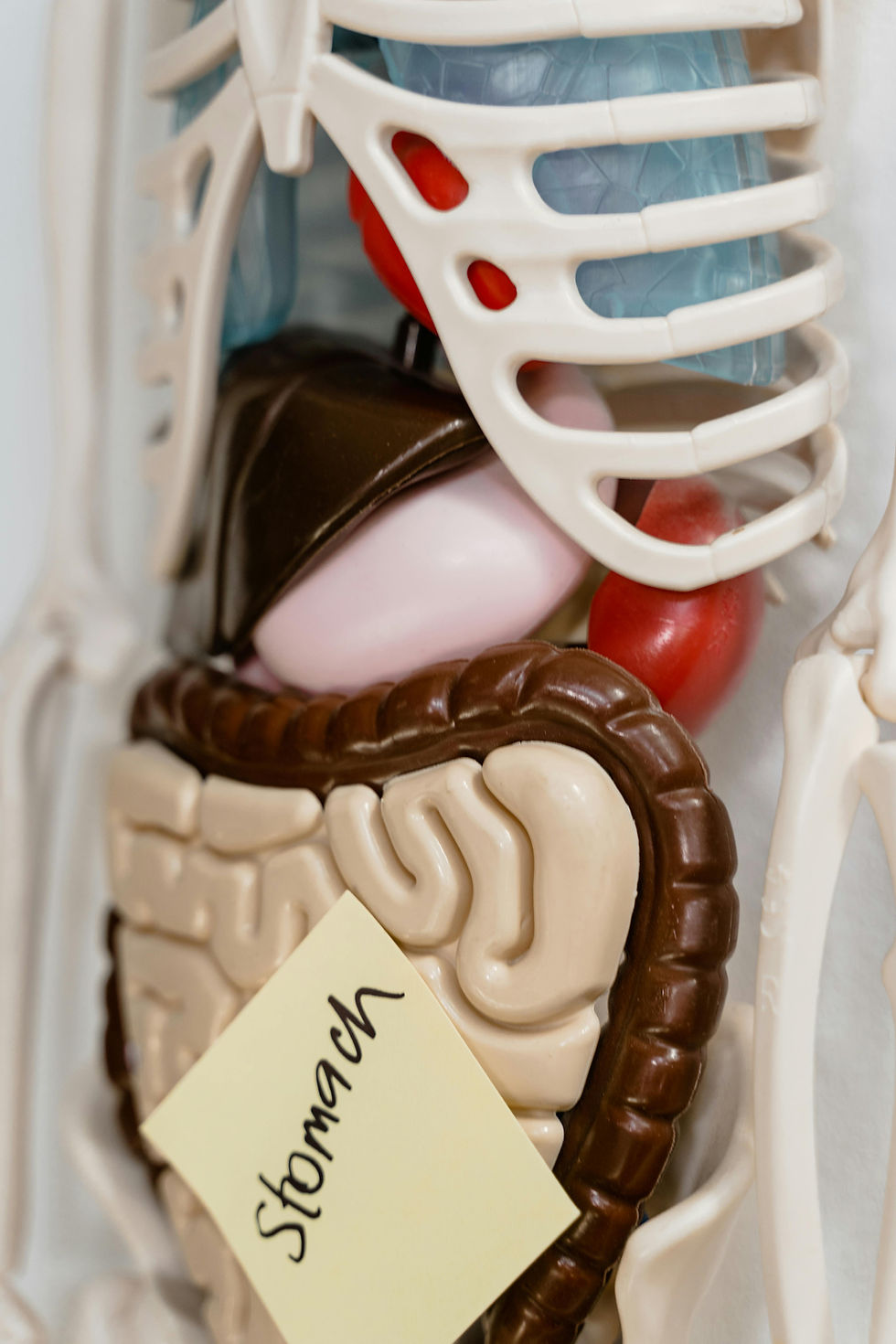
When estrogen isn’t properly broken down or eliminated, it can accumulate or recirculate in the body. This may contribute to symptoms such as bloating, breast tenderness, mood swings, irregular menstrual cycles, fatigue, and, over time, more significant hormonal imbalances.
Supporting estrogen detoxification isn’t about restrictive cleanses or extreme protocols. It’s about understanding and supporting the body’s natural pathways—primarily the liver, thyroid, gut, and skin. Here’s how each system plays a role and what you can do to support them.
Tip #1 - Support Your Liver (& Estrogen Detox)
The liver is the primary site of estrogen metabolism. It processes estrogen through two key phases:
Phase 1 detoxification transforms estrogen into intermediate metabolites.
Phase 2 detoxification converts these metabolites into water-soluble compounds so they can be safely excreted via urine or bile.
If either phase is impaired, estrogen metabolites may build up or fail to be properly eliminated, increasing the likelihood of hormonal imbalance.
How to support liver function:
Focus on nutrient-dense, whole foods that provide the compounds needed for both detox phases:
Cruciferous vegetables (broccoli, cauliflower, kale, Brussels sprouts) contain glucosinolates, which support healthy estrogen metabolism.
Allium vegetables (garlic, onions, leeks) provide sulfur compounds essential for Phase 2 detoxification.
Spices like turmeric contain bioactive compounds that support liver enzyme activity and reduce inflammation.
Equally important is reducing the burden on the liver:
Limit alcohol consumption, as it directly competes with detoxification pathways.
Minimise ultra-processed foods, which can increase oxidative stress and strain liver function.
A well-functioning liver ensures estrogen is properly processed and prepared for elimination—preventing it from lingering in circulation.
Tip #2 - Keep Your Thyroid Functioning Optimally (& Estrogen Detox)
The thyroid may not be the first organ that comes to mind when thinking about hormone detoxification, but it plays a critical regulatory role.
Thyroid hormones influence:
Metabolic rate, which affects how efficiently detox processes occur
Liver enzyme activity, necessary for estrogen metabolism
Gut motility, which impacts how quickly waste (including estrogen) is excreted
When thyroid function is suboptimal, these processes can slow down, potentially contributing to estrogen buildup.
How to support thyroid health:
Ensure adequate intake of key nutrients:
Iodine (found in seafood and iodised salt) supports thyroid hormone production
Selenium (Brazil nuts, fish, eggs) is essential for hormone conversion
Zinc (meat, seeds, legumes) supports thyroid signalling and immune balance
Manage chronic stress, which can interfere with the conversion of inactive thyroid hormone (T4) into its active form (T3).
Pay attention to symptoms such as:
Persistent fatigue
Sensitivity to cold
Hair thinning or dry skin
Sluggish digestion
These may indicate that thyroid function is impacting your overall metabolic and detox capacity.
A balanced thyroid helps maintain the pace and efficiency of estrogen metabolism and elimination.
Tip #3 - Support Your Gut (& Estrogen Detox)
The gut is a crucial—yet often overlooked—component of estrogen detoxification.
After the liver processes estrogen, it is excreted into the bile and sent to the digestive tract for elimination. However, certain gut bacteria produce an enzyme called beta-glucuronidase, which can stop estrogen from being properly cleared out, so instead of leaving the body, it gets reabsorbed and continues circulating.
If gut health is compromised, this recycling process can increase, leading to higher circulating estrogen levels.
How to support gut health:
Increase dietary fibre: fibre binds to estrogen in the digestive tract and helps carry it out of the body. Focus on:
Vegetables
Fruits
Legumes
Whole grains
Support a healthy microbiome: include fermented foods such as yogurt, kefir, sauerkraut, and kimchi, or consider probiotics if appropriate.
Address constipation: regular bowel movements are essential. Slower transit time increases the chance of estrogen being reabsorbed. Hydration, fibre, and movement all play a role here.
A healthy gut ensures that once estrogen is processed by the liver, it is effectively eliminated—rather than re-entering circulation.
Tip #4 - Promote Healthy Skin Elimination (& Estrogen Detox)
While the liver and gut handle the majority of detoxification, the skin provides an additional, supportive route of elimination.
Through sweat, the body can excrete small amounts of waste products, including certain metabolites. Although this pathway is less significant than liver or gut detoxification, it still contributes to the body’s overall detox capacity.
How to support skin-based detoxification:
Exercise regularly: physical activity promotes circulation and encourages sweating, supporting elimination.
Use sauna therapy (if appropriate): saunas can enhance sweating and may support circulation and recovery.
Dry brushing: this technique may help stimulate lymphatic flow and circulation, although evidence is still emerging.
Maintain skin health: keeping the skin hydrated and intact supports its natural barrier and elimination functions.
Think of the skin as a complementary system—supporting, rather than replacing, the primary detox pathways.
Final Thoughts
Estrogen detoxification is not about extreme cleanses, restrictive diets, or quick fixes. It’s a continuous, dynamic process that relies on multiple interconnected systems working efficiently together.
By supporting your:
Liver (metabolism)
Thyroid (regulation)
Gut (elimination)
Skin (supportive excretion)
—you create the conditions for balanced hormone processing and clearance.
The most effective approach is consistent, sustainable lifestyle support. Small, daily habits—like eating fibre-rich foods, managing stress, staying active, and nourishing your body with key nutrients—have a far greater impact than short-term interventions.
Hormonal balance isn’t achieved overnight, but with the right support, your body is well-equipped to maintain it.


Comments